
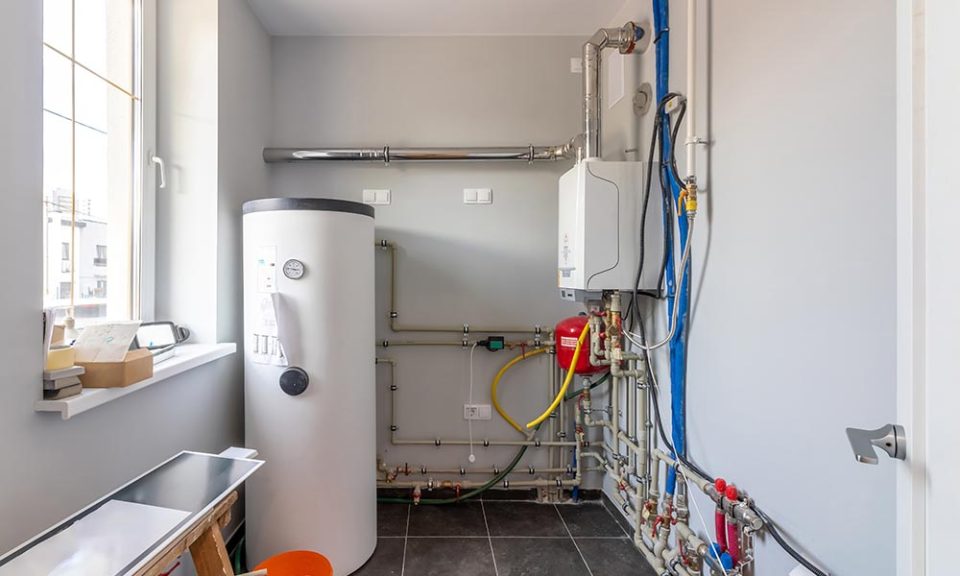
A hot water system is expected to perform the same task every day, yet the conditions around it rarely remain unchanged. Household size changes, usage patterns shift, appliances are added, and renovation work may alter the way hot water is distributed throughout the property. For that reason, system selection is usually based on practical operating requirements rather than a single specification.
Many homeowners searching how to choose a hot water system begin by comparing brands or prices. Those comparisons become more useful after the property’s requirements have been assessed because the same system may perform differently in two houses with similar layouts but different demand patterns.
Capacity Is Better Measured By Usage Than Property Size
The number of bedrooms does not accurately predict hot water demand. Two homes with the same floor area can require different system capacities depending on occupancy and water use throughout the day. Simultaneous showers, kitchen activity and laundry cycles often influence demand more than the size of the building itself.
Matching capacity with actual usage reduces the likelihood of either insufficient supply or unnecessary oversizing.
Selecting additional storage without a practical requirement may increase operating costs while providing little everyday benefit.
Recovery Performance Deserves Equal Attention
Storage capacity receives most of the attention during system selection.Recovery rate often receives less.
Once stored hot water has been used, the system must restore supply within a reasonable period. Recovery performance becomes increasingly important in households where hot water demand occurs several times across the day rather than during one short period.
A system with suitable recovery characteristics can often provide more consistent performance than a larger unit with slower recovery.
Installation Conditions Can Limit Available Options
The property itself influences system selection. Gas availability, installation space, ventilation requirements, plumbing layout and access for servicing all affect which systems are technically suitable.
These factors are normally assessed before installation begins because modifications after equipment selection can increase both project complexity and installation costs.
The assessment is therefore based on compatibility as much as performance.
| Property Assessment | Purpose |
|---|---|
| Available installation space | Determines suitable system size |
| Existing gas connection | Confirms fuel availability |
| Plumbing arrangement | Supports efficient installation |
| Ventilation requirements | Maintains safe operation |
| Service access | Allows future maintenance |
Operating Cost Continues Long After Installation
Purchase price represents a single transaction. Energy consumption continues throughout the operating life of the system.
Efficiency therefore becomes part of the overall ownership cost rather than an optional feature. Comparing expected operating performance alongside purchase cost provides a broader view of long term value.
Maintenance requirements should also be considered because servicing contributes to reliable performance over time.
Future Demand Is Part Of System Planning
Current household demand may not remain unchanged throughout the service life of the equipment.
Additional occupants, property extensions or changing daily routines can gradually increase hot water requirements.
Future demand does not need to be estimated precisely, although allowing reasonable flexibility often supports longer service life before replacement becomes necessary.
Planning exclusively around current usage may reduce that flexibility.
System Selection Involves Several Connected Decisions
Choosing a suitable system normally involves balancing several technical considerations rather than optimising only one.
Common assessment areas include:
Looking at these factors together provides a more complete basis for comparison than evaluating product specifications independently.
The search for how to choose a hot water system is therefore less about identifying a universally better product and more about determining which system aligns with the operating conditions of a particular property. Capacity, recovery performance, installation constraints and future demand all contribute to that decision, making system selection a practical assessment rather than a simple product comparison.
