
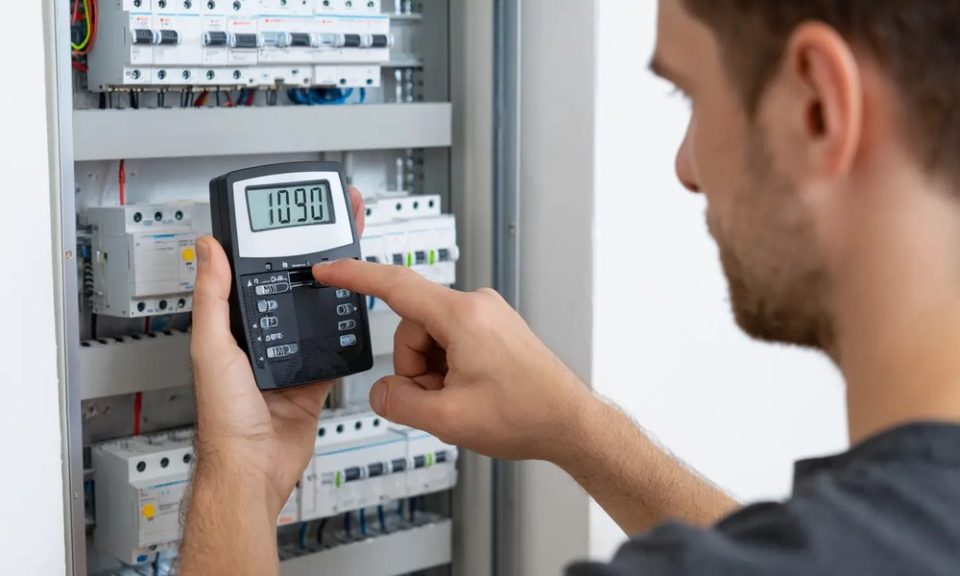
Energy management has changed a great deal over the past few years. Electricity is no longer measured, billed, and monitored in the slow, manual way it once was. At the centre of this change is the smart meter, a device that started as a small-scale experiment and has since become central to how modern power distribution works.
For utilities and consumers alike, the benefits are practical, measurable, and growing with each passing year.
From Estimates to Accuracy
Using a smart meter results in the complete end of estimated billing.
Traditional meters required a physical visit to record a reading. If that visit was delayed or missed, utilities would estimate the consumer’s bill based on past usage. This led to overbilling, underbilling, and the disputes that regularly followed. For consumers, it was a source of genuine frustration. For utilities, it created revenue leakage and a significant administrative burden that compounded steadily over time.
A smart meter transmits consumption data automatically and at regular intervals. The bill reflects what was actually used, nothing more and nothing less. This alone has had a measurable impact on consumer trust and utility revenue recovery across states where deployment has progressed well.
Real-Time Visibility for Consumers
Beyond billing, a smart meter gives consumers something they never had before: a live view of their own electricity use.
Through a mobile app or online portal, users can see how much power they are using at any point during the day. They can spot which hours cost more, notice appliances that are using too much electricity, and make small changes that add up. None of this was possible with an old-style meter.
In India, where electricity costs matter to families at every income level, having this kind of information makes a real difference. Early data from states with significant smart meter penetration suggest that consumers who actively engage with their usage data tend to reduce consumption over time, which brings down bills and lowers pressure on the grid during peak hours.
Benefits for Distribution Companies
The consumer-side advantages are well documented, but the utility-side gains are equally significant.
India’s distribution companies have long dealt with what are known as AT&C losses. In simple terms, this is electricity that reaches the network but is never paid for, because of technical faults, billing mistakes, or theft. Smart metering and related reforms have helped bring these losses down from 21.91% in FY2021 to 15.04% in FY2025.
A smart meter catches problems the moment they happen. If a meter is tampered with, the system registers it immediately. If there is an unusual spike in consumption on a particular feeder, the data makes it visible without any manual inspection. This shifts the utility’s posture from reactive to proactive, which is where meaningful loss reduction happens.
Remote operations also reduce cost. Connections and disconnections no longer require field visits. Meter readings do not need staff on the ground. These savings, multiplied across millions of meters, compound quickly.
The Grid Management Dimension
Smart meters do not operate in isolation. They are part of a broader infrastructure that includes communication networks, head-end systems, and data analytics platforms.
When millions of meters are transmitting data continuously, utilities gain a granular, real-time picture of how the load is distributed across their network. This enables better demand forecasting, more accurate planning for peak periods, and faster identification of faults. In a grid that is increasingly absorbing variable renewable energy from rooftop solar and wind, this kind of operational intelligence is not a luxury. It is a practical necessity.
Smart Meter India: The Scale of the Transition
When it comes to smart meter India deployments, the scale of the programme is one of the most ambitious infrastructure undertakings in the country’s recent history. Under the Revamped Distribution Sector Scheme, projects covering nearly 20 crore consumers have been sanctioned across states and union territories. As of December 2025, over 5.28 crore smart meters had been installed nationwide, with deployment continuing to accelerate.
The states that have moved furthest and fastest have already seen tangible results: improved billing efficiency, reduced losses, better cash flows for utilities, and greater consumer awareness of energy use.
The Genus Smart Meter, designed specifically for India’s demanding and varied grid environment, has been part of this rollout, deployed across multiple states, and built to perform reliably under conditions that challenge less robust devices.
What Makes the Difference
Technology does not guarantee outcomes. What separates states that have seen real improvement from those still waiting for results is the quality of implementation around the meter.
That means reliable communication infrastructure, integrated software, trained staff, and consumer communication that helps people understand what their new meter does and why it matters. A smart meter that is installed but not communicating, or one whose data is not being used, delivers little of its potential.
Getting this right requires sustained effort from utilities, service providers, and policymakers all working in the same direction.
The benefits of a smart meter, from billing accuracy to grid intelligence to consumer empowerment, are not theoretical. They are already being realised across parts of India. The task now is to extend that progress until it reaches every home, every feeder, and every corner of the network.
