
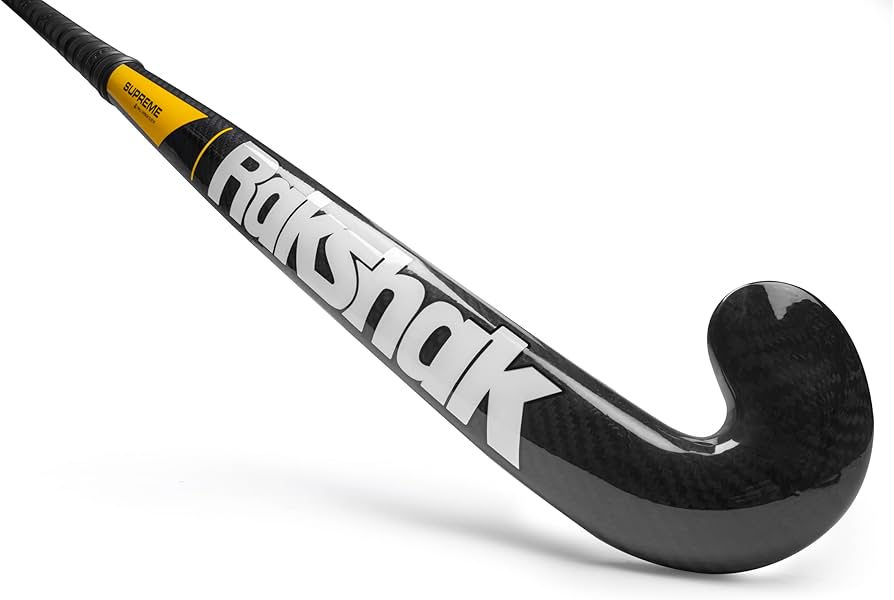
A hockey stick can feel like an extension of your arm, but not every stick suits every player. Slapping a puck or weaving through defenders is tough enough without fighting your own equipment. Choosing a stick that matches your playing style can unlock new confidence and skill, while the wrong one can leave you frustrated and off your game.
How Does Playing Style Influence Hockey Stick Choice?
Every player brings unique habits and instincts to the ice, and those quirks should guide their equipment choices. Are you a sniper who picks corners from impossible angles? A crafty playmaker who controls the pace and can find teammates in traffic? Maybe you’re a power forward who bullies through defenders, or a two-way player who does a bit of everything. Each style benefits from different stick features, making a one-size-fits-all approach a quick route to mediocrity.
Understanding Different Playing Styles: Sniper, Playmaker, Power Forward, Two-Way
– Snipers live for quick releases and accurate wristers, relying on sticks with optimal flex and blade curves that launch rockets.
– Playmakers value puck feel and precise control, looking for well-balanced sticks with predictable blade patterns.
– Power forwards prize durability and strength, often seeking stiffer shafts and reinforced blades for physical battles.
– Two-way players want flexibility and balance, choosing sticks light enough for backchecking yet sturdy enough for hard dumps.
Why Doesn’t One Size Fit All?
A stick designed for powerful slap shots can feel clunky in the hands of a nimble playmaker. Meanwhile, a stick optimized for quick passes may shatter under the stress of a heavy hitter. The stakes? Performance, comfort, and even injury prevention.
Case Study: Matching a Sniper’s Needs with the Right Stick
For players who rack up goals from distance, the secret lies in the details. Snipers benefit from lower flex numbers to generate whip and a blade curve that keeps shots low and fast. The kick point, the spot on the shaft where energy loads and releases, matters too. Low kick points fuel quick releases, which is exactly what snipers need in high-pressure situations.
Real-World Example: When the Stick Makes All the Difference
Watch any pro sniper and you’ll see a carefully tailored setup: a slightly shorter stick, mid-to-low flex (sometimes around 85 for senior players), and an aggressive blade curve. The result? Lightning-fast releases, especially in tight spaces. When Patrick Laine switched to a deeper blade curve, his goal tally jumped, proving how stick tweaks can change a season.
Case Study: Playmakers and Their Stick Preferences
Playmakers are surgeons, carving up defenses with vision and finesse. For these players, shaft stiffness becomes critical. Too much flex, and passes wobble. Too stiff, and puck feel suffers. The ideal setup allows crisp passing, quick stickhandling, and the ability to cradle the puck through chaos.
How a Playmaker’s Stick Boosts Creativity
Look at elite passers: they often use sticks with moderate flex (neither too stiff nor too whippy) and a mid-profile blade pattern for predictability. The result is more tape-to-tape passes and greater control, especially when defenders apply pressure.
Case Study: Power Forwards and Sticks Built for Strength
Physical players know that weak or flimsy sticks are a liability. For those who crash the crease and battle on the boards, a durable shaft and reinforced blade are non-negotiable. A stiffer flex allows for booming slap shots, while a thicker blade survives the abuse of gritty play.
In Practice: Stick Choices That Survive the Trenches
Power forwards often gravitate to sticks with heavier builds and less flex, sometimes preferring a straight blade for maximum contact area. When Milan Lucic swapped to a stiffer setup, his shot speed and puck battles improved, proof that matching stick to style pays off.
Case Study: Two-Way Players and Versatile Requirements
Not every player fits into a single box. Two-way players require the best of both worlds, needing a stick agile enough for defense but versatile for offense.
A Balanced Approach
A stick with a moderate flex and a versatile blade curve lets two-way players transition seamlessly from passing to shooting. They often prioritize comfort and grip, knowing that a fraction of a second can decide a turnover or a scoring chance.
Choosing the Right Stick for Your Age and Level
Youth, junior, senior, and dek hockey sticks all serve different needs. Junior sticks offer more flex for lighter players, while senior sticks provide stability and strength. Dek hockey sticks, meanwhile, are built for hard surfaces and often carry unique blade materials.
As players grow and their style shifts, stick preferences evolve. A creative eight-year-old may prioritize puck feel, but as they mature and build strength, switching to a stiffer, longer stick becomes common.
Expert Tips for Testing and Customizing Your Hockey Stick
– Test Flex and Length: A good rule of thumb is the “chin rule”, standing in skates, the stick should reach your chin. Flex should be roughly half your body weight, but adjust based on strength and style.
– Customize the Blade: Small tweaks in blade pattern or curve can make a world of difference. Play with grip tape or tacky finishes to optimize comfort.
Experts suggest that exploring a wide selection, like those found in Batons de hockey Liquida Sport, can help you find the best match for your unique game.
Avoiding Common Mistakes When Selecting a Hockey Stick
Many players fall for the myth that pro-level flex or blade curves automatically boost performance. In reality, using a stiff stick without enough strength reduces shot power, while ultra-curved blades can harm passing accuracy. The cost of the wrong stick is not just missed opportunities, but sometimes injury or bad habits.
Final Thoughts: Invest in the Right Stick, Maximize Your Potential
The perfect hockey stick is as personal as a favorite pair of skates. Matching your stick to your playing style is not about chasing trends but about unlocking your potential and enjoying every shift. Experiment, seek advice, and don’t be afraid to change things up as your game grows. The right stick might just be the missing piece that brings your game to the next level.
