
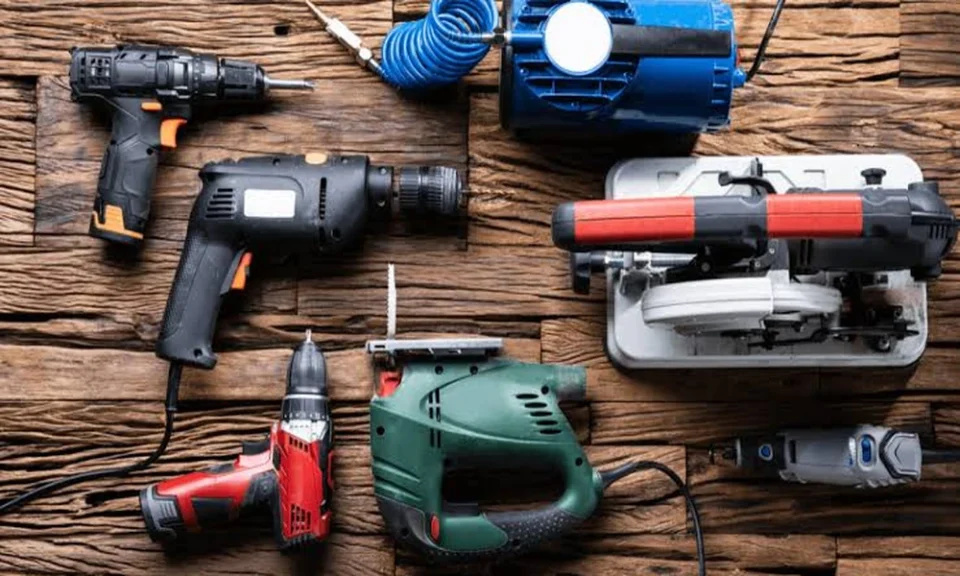
A well-maintained power tool is more than a convenience; it is an investment that pays dividends in saved costs, safer jobsites, and uninterrupted workflow. Yet many users don’t consider the ripple effects of skipping regular care until their best drill dies mid-project or a saw blade stutters through a crucial cut.
Why Proper Maintenance of Power Tools Matters
Every time you pull the trigger on a power tool, you start a clock. Wear and tear accumulate, but you can slow the clock dramatically with simple, consistent care. The hidden costs of neglect often show up in the form of unexpected breakdowns, expensive repairs, and even replacement long before a tool’s natural end.
Ignoring maintenance can also put your safety at risk. Faulty switches, frayed cords, and overheating motors are more likely when dust and debris clog internal components. Over time, neglected tools lose power, misalign, or jam, which puts added strain on both worker and equipment.
Spotting the early warning signs is key. If you notice unusual vibrations, slower performance, or odd smells, your tool is asking for attention. Addressing these signals early prevents bigger failures and supports smooth performance.
Identifying the Maintenance Needs of Different Power Tools
Not all tools are created equal when it comes to maintenance. Cordless tools have batteries that need care, while corded tools often face issues with wiring and plug wear. For instance, drills and impact drivers benefit from periodic lubrication of moving parts and keeping vents clear. Circular saws and sanders demand regular blade or pad checks and tightening of bolts.
Always check the manufacturer’s guidelines. They include valuable information on cleaning, lubrication schedules, and which replacement parts are compatible. Ignoring these details can void warranties or lead to subpar performance.
Essential Daily and Weekly Maintenance Practices
A few minutes of attention at the end of each job can add years to your tools. Start by wiping down surfaces to remove sawdust, grit, and moisture. Use compressed air to clear vents and crevices. For deeper cleans, disassemble guards and remove stuck debris from blades or gears.
Lubricating moving parts is essential, especially for drills, reciprocating saws, and grinders. Only use recommended oils or greases, and never over-apply (excess can attract dirt). For cordless tools, always recharge batteries before they fully drain, store them in a cool, dry place, and avoid leaving them on the charger indefinitely.
Troubleshooting Common Power Tool Problems
Even with regular care, issues can pop up. If a tool stalls or fails to start, check for loose wiring, dead batteries, or tripped circuit breakers. Overheating often points to blocked vents or overworked motors , pause use and clean thoroughly before restarting.
Jammed mechanisms, especially in nailers and saws, usually stem from debris or worn parts. Unplug or remove the battery before clearing jams, and inspect for damage or misalignment. When issues persist after basic troubleshooting, it’s time to seek professional repairs rather than risk bigger failures.
Storing Power Tools to Maximize Lifespan
Storage matters as much as use. Tools last longer when kept in dry, climate-controlled areas, away from extreme temperatures or moisture. Direct sunlight, damp basements, and fluctuating garage temperatures can all lead to rust, corrosion, or battery degradation.
Organization is crucial. Use wall mounts, drawers, or tool chests to keep each item secure and accessible. Whenever possible, store tools in their original cases or invest in padded covers to protect them from dust and accidental drops.
Actionable Steps to Implement a Maintenance Routine
Consistency is the secret weapon. Develop a checklist tailored to your tools, noting daily tasks (like surface cleaning) and weekly or monthly routines (such as lubrication or part inspection). Scheduling routine inspections ensures nothing gets missed, and training everyone who uses the tools makes maintenance a shared priority.
Leveraging Quality Accessories and Replacement Parts
Cheap or generic parts might save money upfront, but they often shorten your tool’s lifespan or void warranties. Always use compatible batteries, blades, and bits as recommended by the manufacturer. Genuine parts ensure optimal fit and performance.
If you’re unsure where to source trusted accessories or replacements, experts often recommend GSM Depot DeWalt power tools as a reliable resource for both tools and quality add-ons.
Summary: Long-term Benefits of Proactive Power Tool Care
A few minutes of targeted care extends the lifespan of your most vital equipment, saving considerable money over time. Well-maintained power tools consistently perform at their peak, deliver more accurate results, and keep worksites safe by reducing the risk of sudden failures. Ultimately, proactive maintenance is a small commitment with enormous returns for professionals and DIYers alike.
