
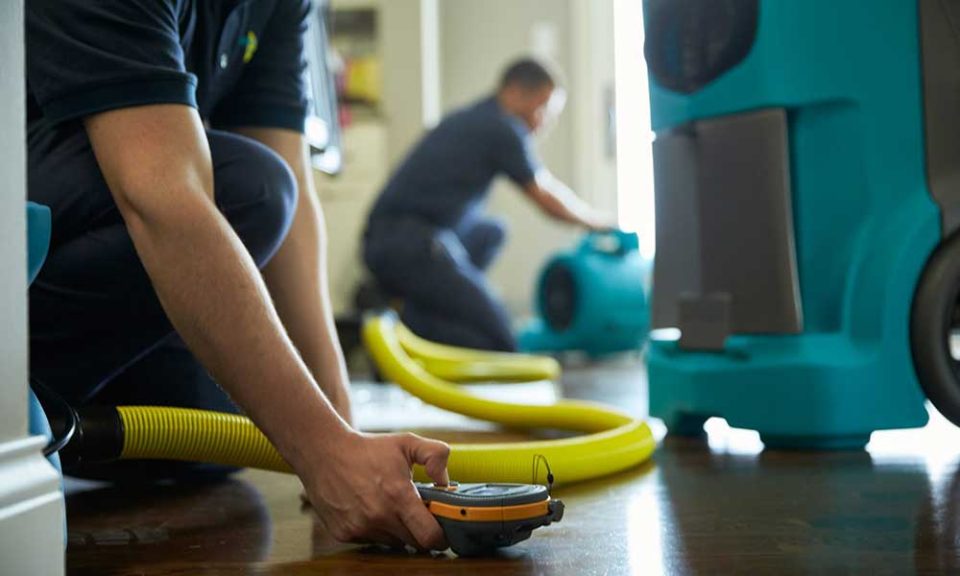
Search engine optimization continues to be one of the most important marketing channels for restoration companies. When homeowners experience flooding, storm damage, or a burst pipe, they often search online for immediate help. If your company does not appear on the first page of results, you are missing valuable opportunities.
In 2026, however, SEO is more competitive and complex than ever. Many restoration contractors are frustrated because they are investing in websites and content but not seeing the rankings or call volume they expected. Understanding the most common SEO struggles can help you avoid wasted time and money.
Increased Competition for Local Search Results
One of the biggest challenges restoration companies face is simple competition. More contractors are investing in SEO than ever before. National franchises are expanding their digital presence. Lead generation companies are creating large, optimized websites targeting multiple cities.
This makes it harder for smaller or mid sized restoration businesses to rank for competitive terms like:
- Water damage restoration
- Emergency water removal
- Flood cleanup services
- Mold remediation near me
Local map listings are especially competitive. Only a few companies can appear in the top map results, and those spots generate a large percentage of calls.
Without a focused local SEO strategy, it becomes difficult to compete.
Weak Website Structure and Technical Issues
Many restoration websites look professional on the surface but have technical problems behind the scenes. Common issues include:
- Slow page speed
- Poor mobile performance
- Broken links
- Duplicate content
- Missing metadata
- Confusing navigation
Search engines prioritize websites that are fast, secure, and easy to navigate. If your site loads slowly or is difficult to use on a phone, rankings can suffer.
In 2026, mobile performance is especially critical. Many emergency searches happen on smartphones. A slow or clunky mobile experience leads to lost leads.
Lack of Service Specific Content
Another major SEO struggle is thin or generic content. Some restoration websites have one general “water damage” page that briefly describes services. That is no longer enough.
Search engines reward depth and relevance. Instead of broad pages, companies should create detailed service pages for:
- Burst pipe cleanup
- Storm damage restoration
- Sewage backup cleanup
- Basement flooding
- Commercial water damage
Each page should clearly explain the problem, process, timeline, and what homeowners can expect.
According to Superpath digital marketing, restoration contractors who invest in detailed content tend to see stronger organic growth. Don Marks explains, “Search engines want to show the most helpful result. The companies that answer real homeowner questions in depth are the ones that earn long term visibility.”
Inconsistent Local Signals
Local SEO depends heavily on consistency. Your business name, address, and phone number must match across directories and platforms.
If information is inconsistent across:
- Google Business Profile
- Yelp
- BBB
- Facebook
- Industry directories
It can weaken local rankings.
Reviews also play a major role in local visibility. Restoration companies that actively request reviews often see improvements in map rankings over time.
Ignoring Ongoing Optimization
Some contractors treat SEO as a one time project. They build a website, add a few pages, and expect long term results without updates.
SEO is ongoing. Search algorithms change. Competitors update their websites. New content is published regularly.
Without continuous optimization, rankings can slip.
Ongoing SEO tasks include:
- Adding new blog posts
- Updating service pages
- Monitoring keyword performance
- Improving internal linking
- Building quality backlinks
Companies that consistently improve their websites stay ahead of competitors who neglect updates.
How to Fix SEO Challenges in 2026
Restoration companies can strengthen their SEO by focusing on fundamentals:
- Improve technical performance, especially mobile speed.
- Create detailed, service specific pages.
- Optimize for local keywords and service areas.
- Actively request and manage online reviews.
- Monitor performance data and adjust regularly.
Most importantly, SEO should align with business goals. The objective is not just rankings. It is qualified leads and booked jobs.
Restoration companies that commit to consistent optimization, helpful content, and strong local signals will continue to grow organically. Those who treat SEO as optional will likely fall behind in increasingly competitive markets.
